Responsible manufacturing, engineered in
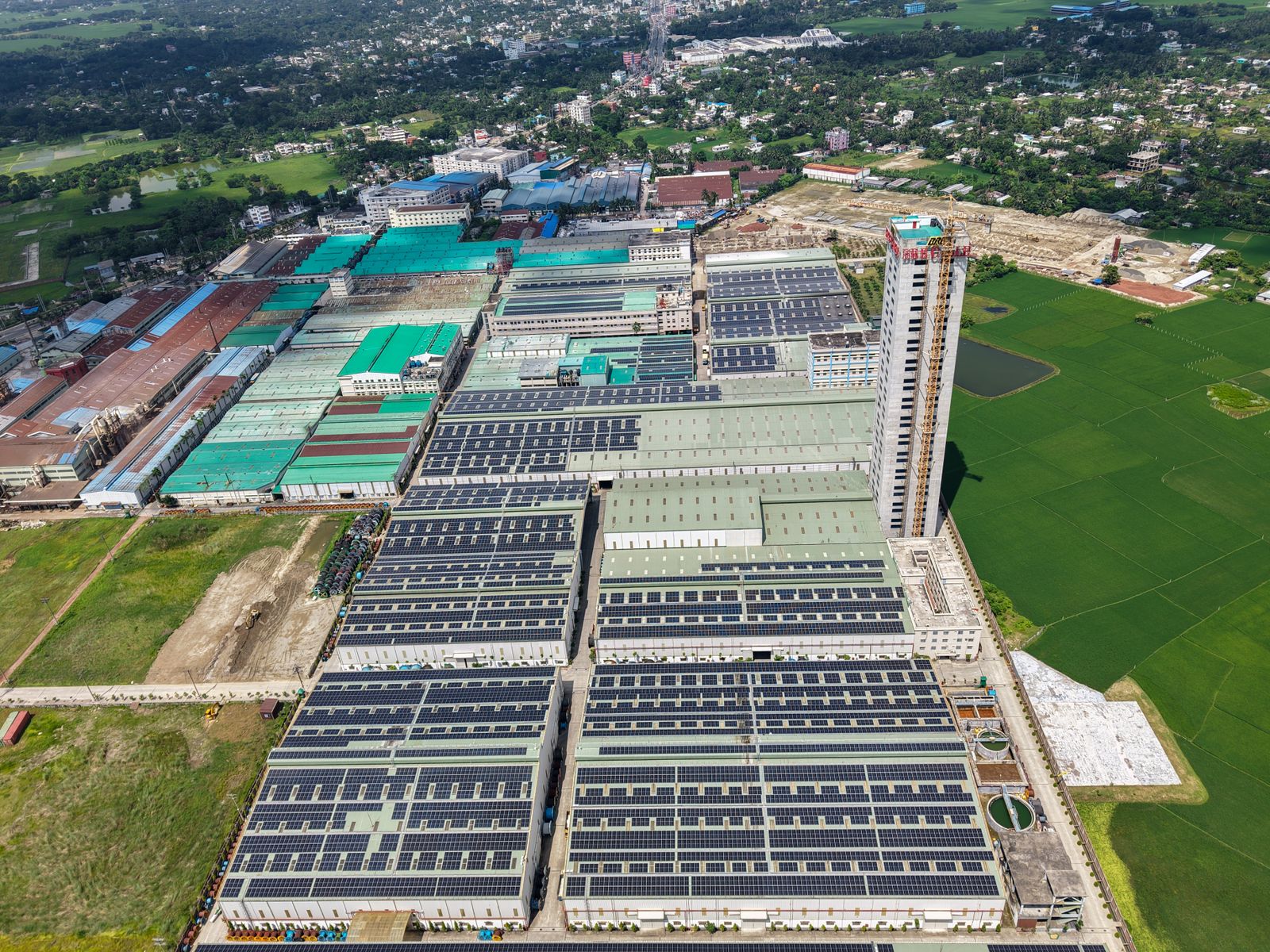
Sustainability at Vertex Diecast means producing precision components while reducing energy use, conserving material and minimising waste — a practical commitment built into how we operate.
Efficient by design
Die casting is an energy-intensive process, so efficiency is both an environmental and an economic priority. We focus on the areas where engineering discipline delivers measurable impact — energy use, material yield, waste reduction and recycling — and track them as part of continuous improvement.
The figures below are indicative and structured as placeholders for real measured data.
Six areas of responsible manufacturing
Energy Efficiency
Efficient melting, idle management and equipment selection reduce the energy intensity of every kilogram cast.
Material Optimisation
DFM and gating design reduce scrap and runner weight, improving yield and lowering embodied material per part.
Waste Reduction
Process control reduces defects and rework, while scrap is captured and recycled rather than discarded.
Recycling
Aluminium and zinc runners, scrap and machining swarf are segregated and recycled back into the casting stream.
Responsible Manufacturing
Standardised work, safe processes and environmental controls protect our team and our surroundings.
Resource Conservation
Water recycling, coolant management and packaging reduction minimise the broader footprint of production.
Tracking what matters
Placeholder indicators structured for replacement with measured environmental data.
Sustainability is a discipline, not a slogan
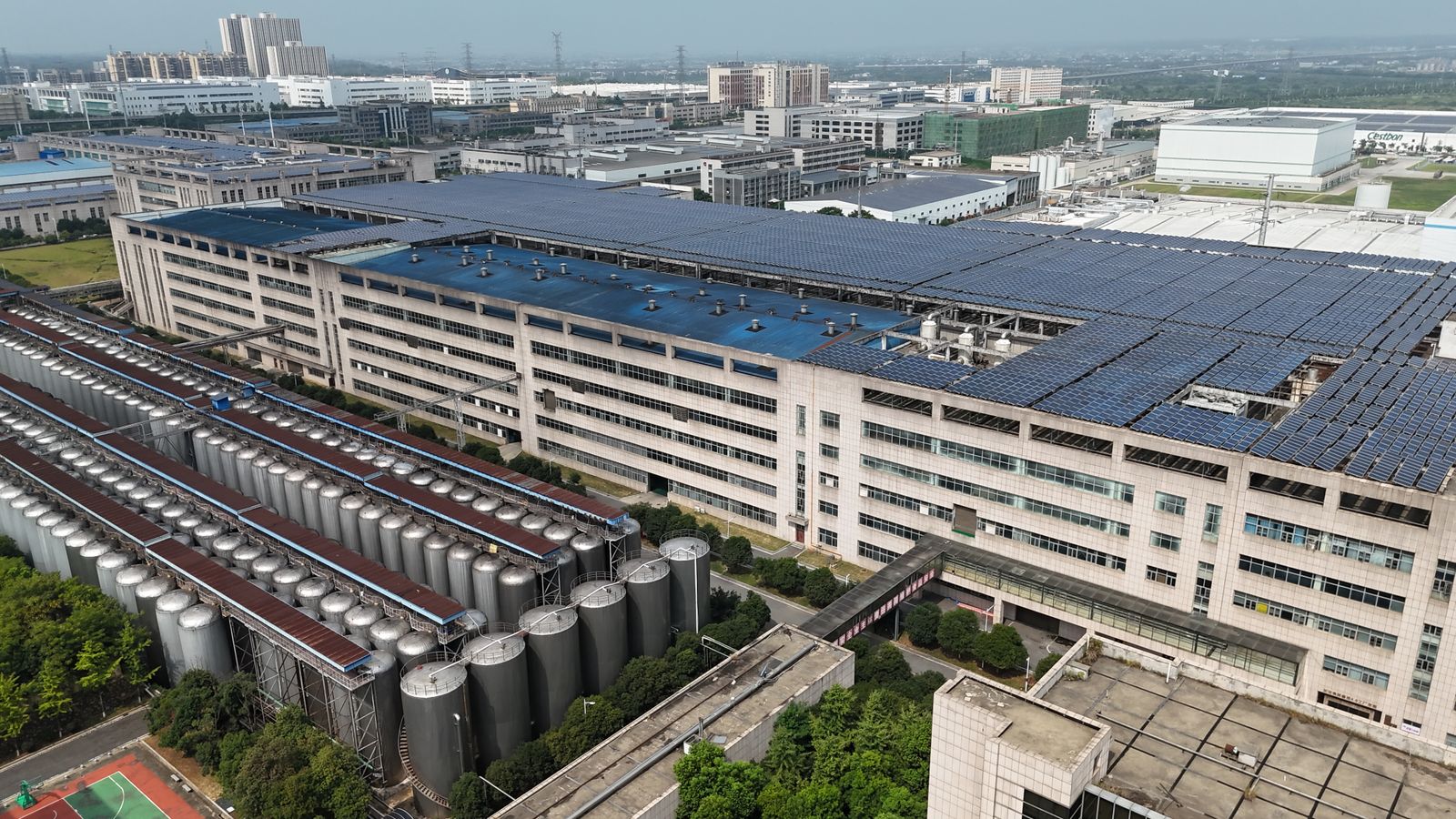
Environmental performance improves the same way quality does — through measurement, root-cause analysis and incremental improvement. We treat energy, material and waste as process variables to be controlled, not overheads to be accepted.
- Material yield tracked per part and per run
- Scarp segregated and recycled at source
- Energy use monitored by process area
- Continuous improvement on every indicator
Want a partner who takes responsibility seriously?
Talk to us about your sustainability requirements — from material declarations to recycled content and environmental documentation.